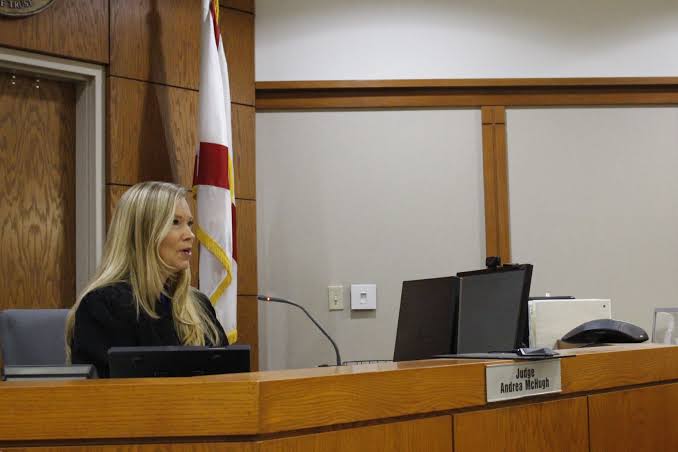
Missing school once or twice may not seem like a big problem. Things happen. Children become ill, families change, and tough times can break up everyday routines. Still, as absences mount, they frequently hint at an underlying problem that needs to be addressed. That’s where Kansas City Truancy Court can help. “The objective is not to punish students. The goal is to discover the causes of their absences and to help them return to school with the necessary support. Children who attend school frequently are more likely to study, to graduate and to establish a better future. Hence the importance of acting early. Truancy Court is part of the larger Kansas City Specialty Courts system, which is geared toward aiding families and not just punishment. The court works with schools, parents, counselors and community groups to identify workable solutions to the requirements of each family. Organizations like Beyond the Bench KC continue to promote public awareness about these courts and their goal. They believe that sustainable change starts with addressing the sources of an issue, rather than the symptoms.
Why Not Going to School Is a Serious Problem
Most attendance problems don’t happen suddenly. A student might be absent one day here and one day there. Soon, missed lessons turn into missed assignments, worse scores and stress. The problem is, poor attendance is usually linked to problems beyond the classroom. A student might be struggling with:
- Family adversity
- Bullying Senpai
- Psychological health
- no transport
- Problems of housing
- Medical problems
- Family duties
Without help, these difficulties might become worse. Students can get behind, lose confidence, or even drop out before they graduate. Early support alters that trajectory.
Beyond the Courtroom
The word court brings to mind a stern judge doling out punishment to many individuals. Truancy Court is distinct. Think of it as a team meeting with a lawyer in the room. School personnel, judges, community partners, parents and counselors work together to determine what is preventing a pupil from attending school. Every circumstance is different, thus every answer must be different. Sometimes a family just needs better communication with the school. Sometimes they need therapy, transportation aid, or access to local agencies. That approach, on a human level, gives pupils a higher chance to succeed.
The Importance of Early Action
Attendance difficulties are rarely cured by waiting. Schools often step in early, keeping pupils out of worse legal trouble later on. They also keep linked to professors, classmates and school events. Honestly, that connection is more important than most people know. Students who feel supported are more likely to come back to class. Small gains might become permanent habits.” One week of better attendance becomes one month, then a full school year. Families are also helped by peace of mind, knowing someone is helping, not only fault-finding.
How the Process Typically Works
Each case is unique, but the process generally looks the same. First, the school records chronic absences. School officials then call parents or guardians to discuss attendance issues. Many conflicts are resolved there and then by open communication. Students who continue to be absent may be referred to Truancy Court. In court meetings, all discuss the causes for the attendance problem. The court is not interested in blame but effective answers. A judge may prescribe therapy, tutoring, mentoring, family support programs or attendance check-ins. Students are given a chance to improve, rather than being penalized immediately, and progress is monitored over time. That consistent direction typically produces better results than punishment alone.
Families have a greater role than they realize
Parents and guardians play an important role in the process. Their involvement typically determines the result more than any court proceeding. The court urges families to talk honestly about their day-to-day problems. Maybe morning routines are hard because of job schedules. Maybe transportation keeps dropping out. Home tension sometimes spills over into school life. These things happen and pretending they don’t help no one. Teamwork really does make a difference. You may be advised to establish routines for your children, to stay in touch with teachers, or to identify local services that can lend a helping hand. Small adjustments in the home, usually stronger attendance over time.
Outside School Support
One good thing about Truancy Court is that it is linked to community resources. Students might benefit from:
- Academic tutoring
- Counseling for mental health
- Mentorship Programs
- Family support services.
- Transport aid
- extracurricular activities
Instead than responding to missing days these services tackle the reasons behind recurring absences. This is why many families experience gradual improvement after receiving the correct help. Groups like Beyond the Bench KC continue to show how these community connections bolster the work of Kansas City Specialty Courts. Their aim rests on a basic idea: sustained success begins by helping people tackle the challenges that brought them into the court system.
Looking Forward
School attendance is about a lot more than just being there for class. Every day in school builds skills, friendships and confidence that transfer over into adult life. The Kansas City Truancy Court gives families an opportunity to fix attendance problems before they become much bigger problems. The focus remains on guidance, accountability and practical support rather than just punishment. No family anticipates attendance problems turning into a legal problem. But early intervention can keep kids on track and open avenues that might otherwise close. A little help today can make a big difference tomorrow.
Frequently Asked Questions (FAQs)
1. What is the Truancy Court, Kansas City?
Kansas City Truancy Court is a unique court program that aids students with chronic attendance concerns. It works with families, schools and community partners to enhance school attendance with guidance and support, not punishment.
2. When can a student be referred to Truancy Court?
Referrals may be made after repeated unexcused absences or when school officials have not been successful with other attendance initiatives. Before making a referral, the attendance rules of each school district must be followed.
3. Do parents have the right to be present during Truancy Court hearings?
Yeah. Participation of parents or legal guardians is expected. Their participation assists the court in understanding the family’s circumstances and developing realistic attendance plans that support the pupil.
4. Is Truancy Court only for legal matters?
No. The court also links families to services that may increase attendance. These may include counseling, tutoring, mentoring, transportation assistance and family support services when needed.
5. What does the Truancy Court do to help students succeed?
The program looks at why the days were missed, not just the days lost. Early recognition of reasons is more likely to lead to increased attendance, improved school outcomes and avoidance of future legal and educational problems for pupils.