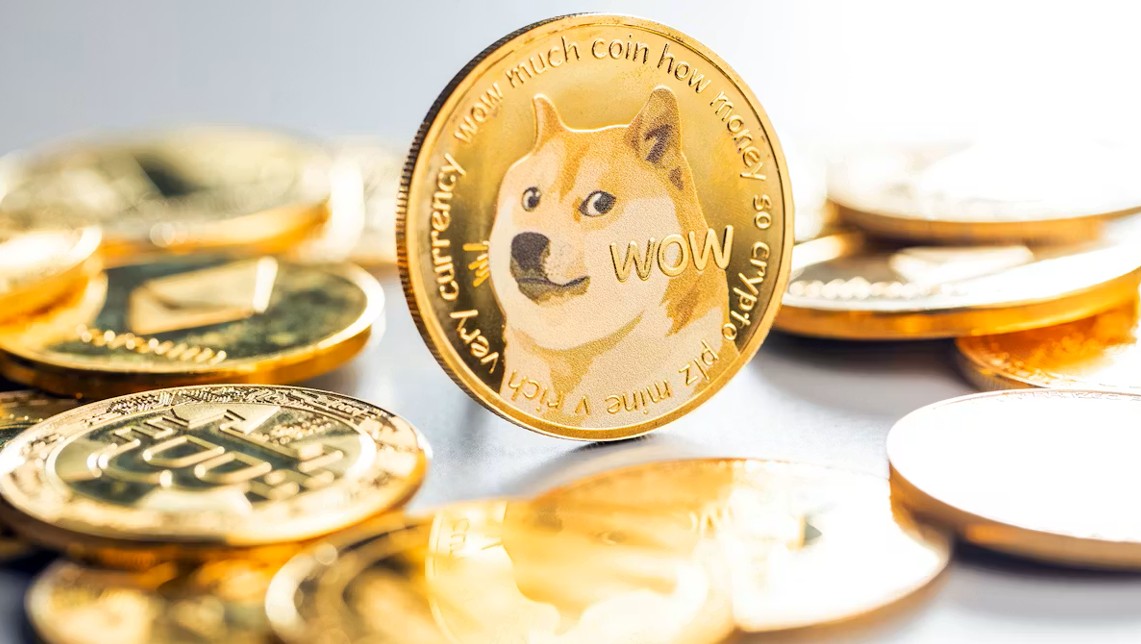
Meme coins look frivolous from a distance, yet serious crypto investors rarely treat them as a joke. They see a market that turns internet attention into liquidity at remarkable speed, and the numbers keep dragging it into the spotlight. CoinGecko currently puts the meme coin sector at about $33.3 billion in market value with more than $3.1 billion in 24-hour trading volume, which gives traders a strong reason to watch it with care rather than with a smirk.
A serious investor also sees something else. Meme coins strip crypto down to its rawest ingredients, namely community and risk appetite, and carry fewer grand claims about changing the world. The market often prices them as pure speculation from the start, and that honesty, odd as it sounds, attracts people who prefer a blunt trade to a complicated sales pitch. The U.S. SEC’s 2025 staff statement said typical meme coin pitches bluntly tell buyers they may lose all the money used to purchase the coins and that the coins may serve entertainment purposes only.
That helps explain why searches for DOGE price INR show no signs of slowing down. Dogecoin still acts as the sector’s reference point, priced around ₹8.6 with a market cap near $14.2 billion and more than $1.1 billion in daily trading volume. People can buy DOGE through exchanges including Binance, which also lists purchase routes and live pricing. For many newcomers, that makes Dogecoin the first meme coin they can actually understand and access without doing a deep dive.
What investors are really buying
When traders buy a meme coin, they are often buying distribution. A token with a strong online culture can spread faster than a technically better project with weak attention, and markets rarely hand out medals for fairness. CoinGecko’s 2025 memecoin report found that the sector reached a record $150.6 billion peak in December 2024, and that DOGE still held 47.3% of meme coin market share in 2025 after years of fresh challengers. Investors take that kind of staying power seriously.
That attention economy links straight into social media identity. You can see it in the traders who put a token ticker in their bios and in the way a meme coin community can turn holding into a badge of belonging. The FCA said in late 2024 that 66% of investors aged 18 to 40 spent less than 24 hours deciding on an investment, while a quarter said they invested impulsively to keep up with current trends. Culture can move money very quickly.
Why the smart money still treads carefully
None of this turns meme coins into safe assets. They’re more like assets that reward discipline. Chainalysis reported in January 2025 that suspected wash trading on select blockchains may account for as much as $2.57 billion in trading volume, and its earlier work on DEX activity found that 54% of ERC-20 tokens listed in 2023 displayed patterns suggestive of pump and dump activity. Serious investors read figures like that and adjust size and exit plans accordingly.
That is why experienced traders tend to treat meme coins like venture bets with a stopwatch attached. They keep position sizes small and care about market structure more than mascot design. Reuters reported in February 2025 that at least 50 of the largest investors in the TRUMP meme coin made profits above $10 million each, while about 200,000 smaller wallets lost money on the exchange where the coin first sold. That sort of split teaches the lesson quickly. The joke usually lands hardest on the latest buyer.
Culture, access, and a peculiar kind of legitimacy
There is also a broader adoption story here. Gemini’s 2025 survey said 51% of Gen Z respondents globally had owned crypto at some point, against 35% for the general population, and 47% of Gen Z crypto investors said crypto was their first investment. Meme coins sit at the point where investing and online identity overlap, and if younger users enter markets through culture first, investors follow that path whether they admire it or roll their eyes at it.
Binance co-founder Yi He has been quoted as saying: “Crypto isn’t just the future of finance. It’s already reshaping the system, one day at a time.” In the meme coin market the practical meaning feels simpler than it sounds. People now trade internet culture as a financial asset, and large groups of users understand that instinctively. Even investors who prefer Bitcoin or stablecoins still watch meme coins because they show where retail attention goes before the rest of the market admits it has moved.
Richard Teng, Binance’s CEO, has also been quoted as saying: “Global adoption often starts with a single domino. Now that crypto is being recognized as a legitimate financial instrument within one of the world’s largest retirement systems, the question is no longer what, but when.” Once crypto earns a larger seat in mainstream finance, investors start sorting the space into layers, and meme coins tend to occupy the speculative fringe that captures retail heat. Serious investors watch that fringe because it often tells you how greedy or reckless the market feels on a given day.
Serious investors take meme coins seriously for a very ordinary reason. Prices, liquidity, and behaviour keep making them relevant, and they use meme coins to read crowd psychology and to trade short bursts of attention. That approach calls for care and a solid exit plan.