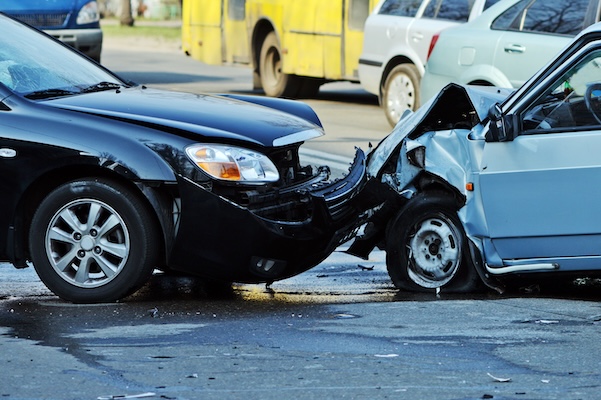
When traffic turns tense, things change fast
A normal drive can flip in seconds. One driver cuts across lanes. Another speeds through a yellow light. Someone rides your bumper like they own the road. Then comes the hit — sudden, loud, and confusing. That is aggressive driving, and in Houston it happens every day. Big highways, crowded exits, long commutes, and impatient drivers create the perfect storm. A crash does not always start with high speed. Sometimes it starts with anger, ego, or one bad choice.
Aggressive driving includes more than speeding. It often means:
- Tailgating
- Unsafe lane changes
- Brake checking
- Running red lights
- Refusing to yield
- Passing on the shoulder
It looks reckless because it is reckless. A lot of people brush it off at first. They say, “It was just traffic.” But traffic does not excuse bad judgment.
So what counts as aggressive driving?
The line is clearer than many think. A driver who keeps weaving through traffic to gain one car length is not being skilled. That driver is creating risk for everyone nearby. A person who honks, speeds up, and blocks another car from merging is making the road more dangerous. It feels personal when you are there, almost like road rage with wheels. Sometimes the driver never even stops after the crash. That happens too. Under Texas law, these actions can show negligence. That matters because negligence is often the center of a personal injury claim.
Let me explain.
A claim needs proof that someone failed to act with normal care. Aggressive driving often leaves clear clues — skid marks, witness statements, dashcam clips, even phone records. Those details matter more than people expect.
Injuries do not always show up right away
That is one of the hardest parts. A person may walk away feeling lucky, then wake up the next day unable to turn their neck. Whiplash is common. So are back injuries, shoulder strain, headaches, and knee trauma. A harder crash may cause broken bones or brain injury. Even low-speed hits can hurt badly when the body twists at impact. And honestly, many people wait too long before seeing a doctor because adrenaline hides pain. That delay can hurt two things:
- Your health.
- Your claim.
Insurance companies often point to delayed care and ask, “Were you really injured?” That question comes up a lot.
The insurance call usually sounds friendly — at first
A claims adjuster may call within a day. They sound polite. Calm voice. Easy questions. Then they ask for a recorded statement. That is where people get trapped. You may still be shaken up. You may guess at details. You may say “I’m okay” just to end the call. Later, those words can be used against you. That is why many injured drivers speak with a Houston personal injury lawyer early. A lawyer helps protect the facts before they get twisted. Schechter, Shaffer & Harris, LLP – Accident & Injury Attorneys handles cases where crash facts are disputed, especially when aggressive driving led to serious harm. And yes, insurers dispute these cases often.
Why aggressive driving cases get argued so much
Because drivers rarely admit they were reckless. A person who was speeding may suddenly say traffic forced it. A driver who cut across three lanes may claim you appeared “out of nowhere.” That is why evidence matters more than emotion.
Useful proof may include:
- Traffic camera footage
- Police reports
- Black box data
- Witness phone videos
- Vehicle damage angles
A damaged bumper can tell a story. So can tire marks. It is a little like reading footprints after rain — the marks fade if nobody checks quickly.
Texas follows a shared fault rule
This part surprises many people. If you are partly blamed, your payment can drop. Under modified comparative fault rules in Texas, your recovery is reduced by your share of fault. If you are more than 50% responsible, you may recover nothing. That means even a strong case can weaken if the other side shifts blame. A driver may say you braked too fast. An insurer may argue you changed lanes first. Those arguments are common, even when aggressive driving started the chain. So early fact gathering matters — a lot.
Medical bills pile up faster than expected
The tow truck leaves. Then bills arrive. Emergency care. Imaging scans. Follow-up visits. Physical therapy. Missed work. It stacks up quickly. And some injuries linger. A sore back can become months of treatment. People often think a claim only covers the repair bill. It does not.
A claim may include:
- Medical costs
- Lost wages
- Future care
- Pain and suffering
- Vehicle damage
Each part needs support. That means records, receipts, and steady follow-up.
Why legal timing matters more than people think
There is a deadline. In Texas, injury claims usually must be filed within two years of the crash. Sounds like plenty of time. It is not. Videos disappear. Witnesses move. Memories blur. A case built late often starts weak. And some cases need expert review early — crash analysis, medical review, scene photos. That work cannot wait forever.
Aggressive driving is often a pattern, not one bad second
That matters too. A driver may have prior tickets. They may have a record of unsafe lane changes or speeding. That history does not always enter court, but sometimes it helps explain conduct. And when a commercial driver acts aggressively, the case can widen. Then employer records may matter. Training logs may matter. Delivery pressure may matter. That is when a simple car crash case starts looking much bigger.
A calm legal plan often works better than anger
People feel angry after these crashes. That is normal. Still, anger does not build claims. Paperwork does. Medical follow-up does. Clear facts do. A strong case is usually quiet at first — organized, patient, steady. Like fixing a leak before the ceiling caves in. It is not dramatic, but it works.
FAQs: Car Accidents Caused by Aggressive Driving
1. What should I do right after an aggressive driving crash?
Move to safety if possible and call the police right away. Take photos, get witness names, and seek medical care even if pain seems small. Early records help later.
2. Can I still file a claim if the other driver says it was partly my fault?
Yes. Texas uses shared fault rules. Your claim may still move forward if your fault stays under 51%, though payment may drop.
3. How do I prove aggressive driving happened?
Proof often comes from witness accounts, dashcam clips, traffic cameras, vehicle damage, and police notes. Small details often carry big weight.
4. Should I talk to the insurance company alone?
You can, but be careful. Short answers are safest. Recorded statements often create problems if facts are unclear early on.
5. When should I call a lawyer after a car accident?
As soon as injuries, blame disputes, or high bills appear. Early legal practice helps protect evidence and keeps deadlines from slipping.