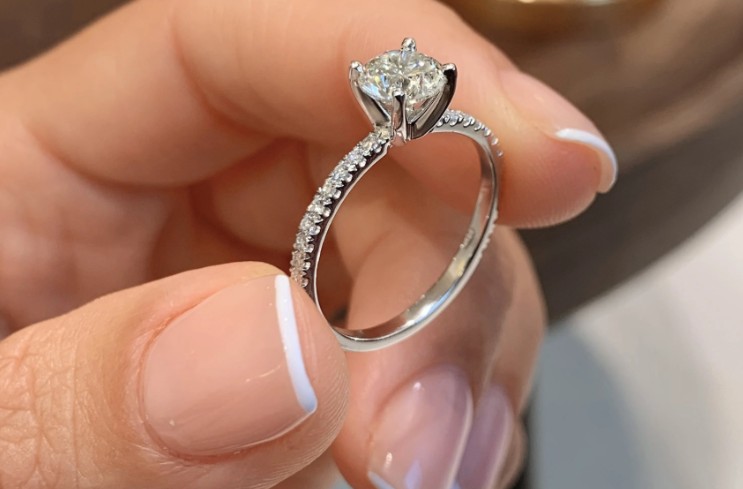
Diamonds in an Evolving Notion of Luxury
Diamond jewelry had long been the symbol of permanence, tradition and inheritance for generations. It was something that would typically be tied to family lineage—handed from generation to generation as a concrete memento of one’s heritage. While that meaning is valid, luxury culture has evolved diamonds’ significance into so much more than just tradition.
Contemporary consumers don’t just see diamonds as an heirloom — they’re a statement of their identity. The definition of luxury is no longer black and white it has now transformed into a sense of individuality, conscious decisions, and emotional relevance. This has changed the way diamond jewelry is made, bought and valued.
Transition from the Inherited Tradition to Personal Expression
Diamond jewelry, historically speaking, followed rules: Classic cuts, expected settings and socially sanctioned styles. But today’s buyers are much less concerned with orthodoxy. They look for items that reflect who they are, not just follow tradition.
This evolution has enabled custom designs, creative combination with other shapes and new versions of classic silhouettes. Today, diamonds share personal tales instead of inherited ones. Jewelers who grasp this shift assist customers in translating identity into design, permitting diamonds to convey personality, lifestyle and values.
Redefining the Heirloom
Today, an heirloom doesn’t have to look decades-old to be meaningful. Lots of new diamond jewellery is actually designed to be the classics of tomorrow—built with longevity and timelessness in mind from the outset.
Instead of receiving jewelry by default, a new generation of buyers is ordering pieces expecting to pass them down. And by doing so proactively, it puts emotional intent at the core of design. Esteemed jewellers like BKK Diamond lead this charge by finding a harmony between contemporary styles and timeless workmanship; one that will keep the exquisite pieces in demand for generations to come.
The Rise of the Modern Icon
In addition to being heirlooms, diamonds have become modern day icons. They’re the hallmark of success, freedom and self-determined success. These days, many buyers are purchasing diamond jewelry for themselves – to celebrate career accomplishments or personal growth and life events.
This has led to a new audience for fine jewelry. Diamonds aren’t the exclusive domain of engagements or anniversaries any more — they’re all about self worth (or, as the case may be, paid in full by Amazon). In turn, the language of design has shifted with versatility in mind—items that easily switch from formal to casual.
The Bridge of CraftsmanshipPairing the old and new豆制作手 Skillful“MOCHA” careerが語る From the carrieer of “MOCHA” has said…
How easily diamond jewelry can shuttle from squarely traditional to proactively modern, depends in no small part on craftsmanship. The razor sharp edges, the well judged settings and the use of structural integrity mean a piece feels equally relevant no matter which era it is viewed in.
The art of the hand is what allows you to reinterpret a classic diamond cut using contemporary design, without losing its intrinsic value. This equilibrium is what allows diamonds to serve as both legacy items and contemporary emblems — rooted in quality rather than novelty.
Transparency and Cultural Awareness
Transparency and accountability are key in today’s luxury culture. Buyers want to know not just how a diamond looks, but where it comes from and what it stands for. Ethics, how we source and communication are far more important to perceived value.
This knowledge has changed expectations in the game. Jewelers that focus on trust and building long-term relationships play better with today’s consumers, who have grown up with transparency as an extension of quality.
Diamonds as Living Narratives
Unlike some luxurious commodities, diamond jewelry has evolved. It grows in significance over time, as it becomes linked with memories, change and my growth as a person. As these stories are transmitted, the stories live on and those of subsequent generations can make a new version of that work but of your memories.
It is this capacity to bear continuity as well as change that makes diamonds the very powerful cultural markers that they are. They are not embroidered stones; they are stories that tell themselves more every time someone slips one on.
The Future of Diamond Jewelry
As luxury continues to evolve, diamond jewelry will remain relevant by adapting to new values without abandoning its foundation. The future belongs to pieces that honor craftsmanship, embrace individuality, and respect the emotional intelligence of modern buyers.
By rethinking diamonds as both heirlooms and modern icons, today’s consumers ensure that their jewelry remains meaningful—not just now, but for decades to come.